

Domestic violence is a serious social problem that affects millions of women around the world. It happens inside homes and relationships where a woman should feel safe and protected. Instead, she faces fear, pain, and control.
Domestic violence is not just physical harm. It can also be emotional, mental, financial, or verbal abuse. Many women suffer silently because they feel ashamed, scared, or helpless. It is important to understand this issue clearly so we can support victims and stop the cycle of abuse.
What is Domestic Violence?
Domestic violence means any harmful behavior used by one person to control another person in a relationship. It usually happens between husband and wife, partners, or family members.
It can include:
- Hitting, slapping, or pushing
- Threatening or shouting
- Controlling money
- Forcing someone to do things against their will
- Isolating someone from friends and family
Domestic violence is about power and control. The abuser wants to dominate and control the victim.
Types of Domestic Violence
Domestic violence is not always visible. Sometimes there are no physical marks, but the pain is deep.
1. Physical Abuse
This includes hitting, kicking, slapping, choking, or any kind of physical harm.
2. Emotional Abuse
This includes insulting, humiliating, blaming, or constantly criticizing someone. Emotional abuse damages self-confidence.
3. Verbal Abuse
Shouting, threatening, name-calling, or using harsh words repeatedly.
4. Financial Abuse
Controlling money, not allowing the woman to work, or taking her earnings.
5. Sexual Abuse
Forcing physical relations without consent or using sex as control.
All these forms are serious and harmful.
Why Does Domestic Violence Happen?
Domestic violence happens for many reasons, but none of them justify abuse.
Some common reasons include:
- Desire for power and control
- Patriarchal mindset
- Alcohol or substance abuse
- Stress and anger issues
- Lack of education
- Childhood trauma
But remember, violence is always a choice. Stress or anger is not an excuse to hurt someone.
Signs of Domestic Violence
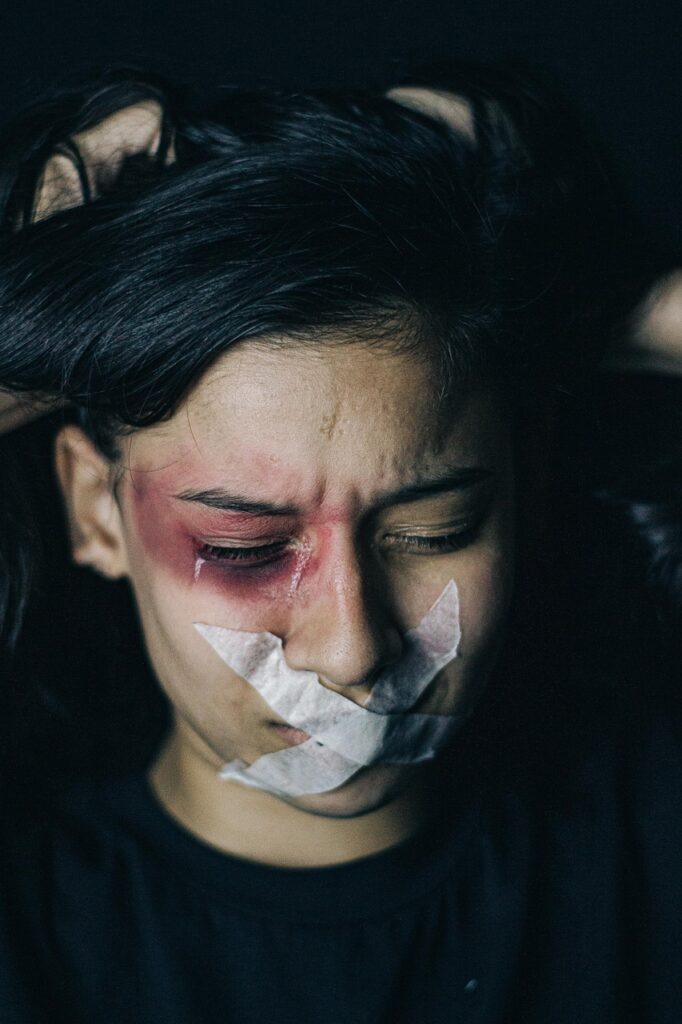
Sometimes women do not realize they are in an abusive relationship. Here are some warning signs:
- Your partner controls who you talk to
- You are afraid to express your opinion
- You are blamed for everything
- You are constantly criticized
- You feel scared in your own home
- You hide bruises or injuries
If these signs are present, it may be domestic violence.
Effects of Domestic Violence
Domestic violence affects not only the woman but also children and society.
Physical Effects
- Injuries
- Chronic pain
- Sleep problems
Mental Effects
- Depression
- Anxiety
- Fear
- Low self-esteem
- Trauma
Effects on Children
Children who see violence may become fearful, aggressive, or emotionally disturbed.
Domestic violence creates a cycle of pain that continues from one generation to another.
Why Many Women Stay Silent
Many people ask, “Why doesn’t she leave?”
The answer is not simple.
Women may stay because:
- Fear of more violence
- Financial dependence
- Concern for children
- Social pressure
- Family honor
- Lack of support
- Emotional attachment
Leaving an abusive relationship is not easy. It requires courage and support.
Legal Rights and Protection
Many countries have laws to protect women from domestic violence. These laws provide:
- Protection orders
- Police help
- Legal action against abuser
- Shelter homes
- Counselling services
Women should know their legal rights. Awareness gives strength.
How to Help a Victim of Domestic Violence
If someone you know is facing domestic violence:
- Listen without judging
- Do not blame her
- Encourage her to seek help
- Help her find professional support
- Respect her decisions
Support and kindness can make a big difference.
How Women Can Protect Themselves
If you are facing domestic violence:
- Tell someone you trust
- Contact a helpline
- Keep emergency numbers ready
- Save important documents
- Make a safety plan
- Seek legal advice
You are not alone. Help is available.
Role of Society in Ending Domestic Violence
Ending domestic violence requires effort from everyone.
Families
Teach respect and equality from childhood.
Schools
Educate children about healthy relationships.
Communities
Support victims instead of blaming them.
Governments
Create strict laws and support systems.
Media
Spread awareness and positive messages.
When society stands together, change becomes possible.
Breaking the Silence
Domestic violence grows in silence. When women speak up and society listens, healing begins.
We must create safe spaces where women can share their experiences without fear. Awareness programs, counselling centers, and support groups help women rebuild their confidence.
Building Healthy Relationships
Healthy relationships are based on:
- Respect
- Trust
- Communication
- Equality
- Support
No relationship should include fear or control.
The Power of Education and Awareness
Education helps people understand that violence is wrong. Awareness campaigns change mindsets.
When both men and women learn about equality and respect, domestic violence can decrease.
Hope and Healing
Recovery takes time, but healing is possible.
With:
- Counselling
- Emotional support
- Legal protection
- Financial independence
- Community support
Women can rebuild their lives.
Conclusion
Domestic violence is a serious social issue, but it is not impossible to stop. It begins with awareness, education, and support.
Every woman deserves safety, respect, and dignity.
If you or someone you know is facing domestic violence, do not stay silent. Reach out for help. There are people and organizations ready to support you.
Together, we can break the cycle of violence and create a safer world for women.
Hi, this is a comment.
To get started with moderating, editing, and deleting comments, please visit the Comments screen in the dashboard.
Commenter avatars come from Gravatar.